Best Mobile Phones Under ₹15,000 in India
Posted on |
Finding the best mobile phones under ₹15,000 in India doesn’t mean compromising on quality or essential features. Budget-conscious buyers, students, and first-time smartphone users can get excellent devices that handle daily tasks, social media, and entertainment without breaking the bank.
This guide helps you navigate the crowded budget smartphone market with confidence. We’ll break down the key features you should prioritize when shopping for affordable phones, from processor performance to camera quality and battery life. You’ll also discover our top 5 recommended devices with honest reviews that highlight real-world performance.
We’ll compare how different brands stack up against each other and show you smart shopping strategies to maximize your budget. Plus, we’ll match phones to specific needs – whether you’re a heavy gamer, photography enthusiast, or need a reliable work phone.
Key Features to Consider When Buying Budget Smartphones
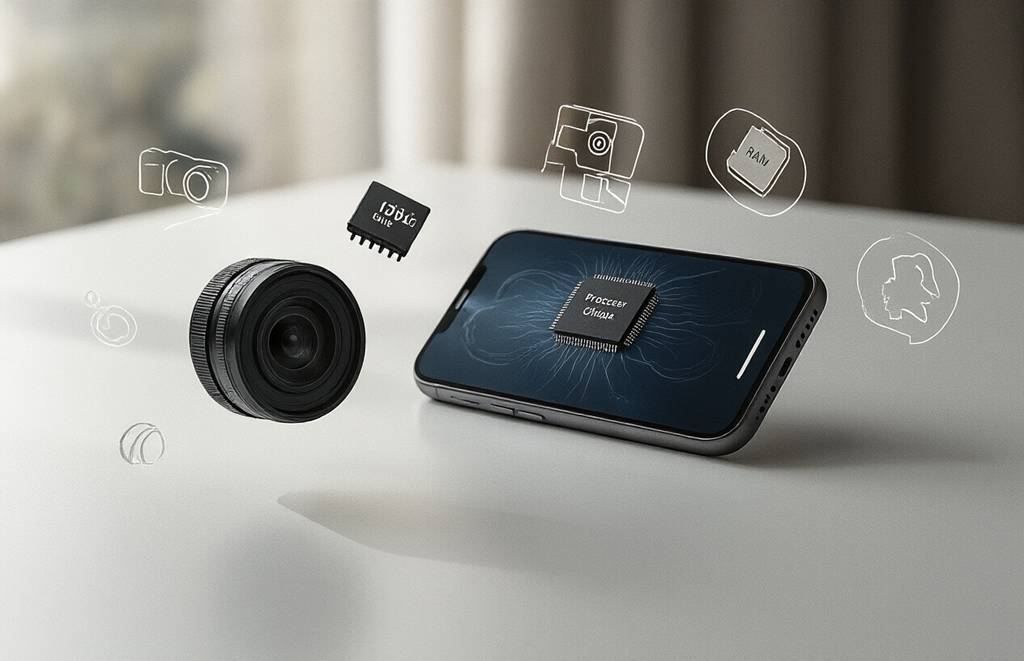
Display Quality and Screen Size for Optimal Viewing Experience
The screen is what you’ll interact with every single day, so getting it right matters more than you might think. Most budget phones now come with displays ranging from 6.1 to 6.7 inches, which hits that sweet spot between usability and portability. Anything smaller feels cramped for modern apps, while larger screens can be tough to handle one-handed.
Resolution plays a huge role in how crisp everything looks. Full HD+ (1080p) displays are becoming standard even in budget phones, and the difference between this and HD+ (720p) is night and day. Text appears sharper, photos look more detailed, and watching videos becomes genuinely enjoyable. Some manufacturers try to cut corners with lower resolutions, but your eyes will thank you for choosing Full HD+ if it’s available in your price range.
Brightness levels become crucial when you’re outdoors. Budget phones often struggle here, with many maxing out around 400-450 nits. Look for phones claiming 500+ nits of peak brightness, especially if you spend time outside or near windows. The display type also matters – IPS LCD panels offer decent colors and viewing angles, while AMOLED screens provide deeper blacks and more vibrant colors, though they’re less common in this price segment.
Refresh rate is another feature trickling down to budget phones. While 60Hz works fine for basic tasks, 90Hz displays feel noticeably smoother when scrolling through apps or playing games. The difference isn’t earth-shattering, but once you experience it, going back feels sluggish.
Camera Specifications for Capturing Memorable Moments
Don’t get fooled by the megapixel game – a 108MP camera doesn’t automatically beat a well-tuned 50MP one. Budget phone makers love throwing around big numbers, but what really counts is the sensor quality and image processing. A 48-50MP main camera with a decent sensor typically delivers better results than a 64MP camera with poor optimization.
Multiple cameras have become standard, but many are just for show. Focus on phones with a useful secondary camera – either an ultrawide lens for group shots and landscapes or a macro camera if you enjoy close-up photography. Those 2MP depth sensors that manufacturers love to include? They barely add any value to your photos.
Low-light performance separates good cameras from mediocre ones. Budget phones traditionally struggle here, but newer models with larger sensors and night modes can surprise you. Look for phones mentioning larger pixel sizes (like 1.6μm or higher) or pixel binning technology, which combines multiple pixels for better low-light shots.
Video recording capabilities vary wildly in this price range. Most budget phones handle 1080p recording well, but 4K video often comes with limitations like poor stabilization or overheating issues. If video matters to you, check reviews for real-world footage rather than trusting spec sheets alone.
Battery Life and Charging Speed for All-Day Usage
Battery capacity around 5000mAh has become the norm for budget phones, and for good reason – it typically delivers a full day of moderate to heavy usage. Phones with 4000mAh batteries can work too, but you’ll need to be more mindful of your usage patterns. Anything below 4000mAh in today’s market feels inadequate unless the phone has exceptional power optimization.
Charging speed can make or break your daily routine. While flagship phones boast 120W+ charging, budget phones usually max out between 18W and 67W. Even 18W charging can top up your phone in about 2 hours, which works fine if you charge overnight. Fast charging around 33W or higher becomes genuinely convenient, letting you grab significant charge during short breaks.
Some budget phones skip wireless charging entirely to keep costs down, which is understandable. However, reverse charging features occasionally appear in this segment, letting you charge accessories or help friends with dead phones.
Battery optimization varies between manufacturers. Phones running near-stock Android often deliver better battery life than heavily customized versions packed with unnecessary features running in the background.
Processor Performance for Smooth Multitasking
The processor determines how smoothly your phone handles everything from opening apps to playing games. Budget phones typically use mid-range chips from Qualcomm (Snapdragon 4 and 6 series),
MediaTek (Dimensity 6000 and 7000 series), or occasionally Samsung’s Exynos processors.
For basic tasks like calling, messaging, and social media, almost any modern budget processor works fine. The differences become apparent during gaming, heavy multitasking, or when switching between multiple apps. Phones with 6GB RAM handle day-to-day multitasking better than 4GB models, while 8GB RAM provides comfortable headroom for the future.
Gaming performance varies significantly within the budget segment. Popular games like PUBG Mobile and Call of Duty run acceptably on most modern budget processors, but don’t expect flagship-level graphics settings. If gaming matters to you, look for phones with dedicated gaming modes or enhanced cooling systems.
Storage speed affects how quickly apps open and files transfer. Budget phones often use slower eMMC storage instead of faster UFS storage, but the difference mainly shows up in benchmarks rather than daily use. Having expandable storage through microSD cards can be valuable for storing photos, videos, and offline content.
Top 5 Mobile Phones Under ₹15,000 with Detailed Reviews
Redmi Note series latest model with pros and cons
The Redmi Note 13 5G stands as Xiaomi’s flagship budget offering, delivering solid performance at
₹14,999. This device packs a MediaTek Dimensity 6080 processor that handles daily tasks smoothly, from social media browsing to moderate gaming sessions. The 6.67-inch AMOLED display produces vibrant colors and deep blacks, making video streaming genuinely enjoyable.
Key Strengths:
108MP primary camera captures detailed photos in good lighting
Fast charging at 33W gets you from 20% to 80% in about 45 minutes
5000mAh battery easily lasts a full day of heavy usage
MIUI 14 brings useful features like dual apps and screen recording
Notable Drawbacks:
MIUI can feel overwhelming with ads and bloatware
Low-light photography struggles with noise and blur
Build quality feels plasticky compared to competitors
Software updates arrive slower than stock Android phones
Realme budget flagship with performance analysis
Realme 11 5G brings flagship-level design aesthetics to the budget segment at ₹14,499. The phone’s curved design and premium finish make it feel more expensive than its price tag suggests. Under the hood, the MediaTek Dimensity 6100+ processor delivers consistent performance across various applications.
Performance Breakdown:
Gaming: Handles BGMI and Free Fire at medium settings without major frame drops
Multitasking: 8GB RAM (with 8GB virtual expansion) keeps multiple apps running smoothly
Camera: 108MP main sensor with surprisingly good portrait mode results
Display: 90Hz refresh rate makes scrolling feel fluid and responsive
The phone excels in battery optimization, with the 5000mAh battery providing excellent standby time. Realme UI 4.0 feels cleaner than previous versions, though some pre-installed apps remain. The 67W fast charging stands out as the fastest in this price range, fully charging the device in under an hour.
Samsung Galaxy M series value proposition
Samsung Galaxy M34 5G at ₹14,999 brings the reliability Samsung is known for to budget-conscious buyers. The 6000mAh battery capacity leads the pack, often delivering up to two days of moderate usage. Samsung’s One UI 5.1 provides a polished, intuitive experience that many users find more approachable than other Android skins.
Value Highlights:
Exynos 1280 processor offers stable performance for everyday tasks
Triple camera setup with 50MP main sensor produces consistent results
Four years of security updates guarantee long-term usability
Build quality feels sturdy with Gorilla Glass 5 protection
The phone’s biggest strength lies in its ecosystem integration with other Samsung devices and Google services. The camera app includes useful modes like Single Take and Pro mode for photography enthusiasts. However, gaming performance lags behind competitors, and the 25W charging feels slow compared to Chinese brands.
Motorola offering with stock Android benefits
Moto G54 5G delivers pure Android experience at ₹13,999, appealing to users who prefer minimal software interference. The clean Android 13 interface means faster updates, better security, and zero bloatware from day one. Motorola’s signature gestures like twist-to-launch camera and chop-to-turn-on flashlight add practical convenience.
Stock Android Advantages:
Immediate security patches and faster Android version updates
No duplicate apps or unnecessary pre-installed software
Better RAM management and smoother performance
Cleaner notification management and settings menu
The MediaTek Dimensity 7020 processor handles most tasks efficiently, though intensive gaming shows some limitations. The 50MP camera system produces natural-looking photos without over-saturation.
Battery life impresses with the 5000mAh capacity, while the 30W charging provides reasonable top-up speeds.
POCO smartphone with gaming-focused features
POCO M6 Pro 5G targets mobile gamers at ₹14,499 with features specifically designed for enhanced gaming performance. The phone includes a dedicated Game Turbo mode that optimizes CPU and GPU performance while blocking notifications during gameplay. The large vapor cooling system prevents thermal throttling during extended gaming sessions.
Gaming-Centric Features:
MediaTek Helio G99-Ultra processor tuned for gaming performance
90Hz display with 240Hz touch sampling rate for responsive gaming
Stereo speakers with Dolby Atmos create immersive audio experience
5000mAh battery with 67W fast charging minimizes downtime
The camera setup includes a 64MP main sensor that performs well in daylight conditions. MIUI for POCO feels lighter than regular MIUI, focusing on performance over aesthetics. The phone’s aggressive thermal management keeps temperatures reasonable even during intense gaming marathons, making it the top choice for mobile gaming enthusiasts on a budget.
Performance Comparison Across Popular Brands
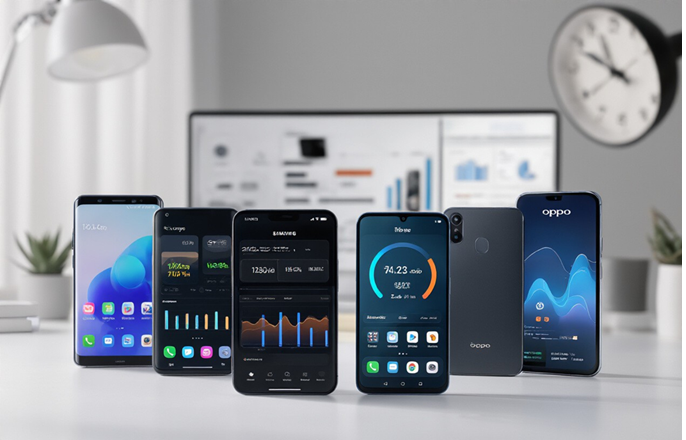
Benchmark Scores and Real-World Usage Tests
When you’re shopping for a budget smartphone under ₹15,000, benchmark numbers can tell you a lot about what to expect from your device. Popular testing apps like AnTuTu, Geekbench, and 3DMark give phones a workout to measure their raw processing power.
Processor Performance Breakdown:
| Brand | Popular Model | AnTuTu Score | Geekbench Single-Core | Geekbench Multi-Core |
| Xiaomi | Redmi Note 12 | 385,000 | 850 | 2,400 |
| Realme | Narzo 50A Prime | 220,000 | 380 | 1,300 |
| Samsung | Galaxy M14 | 410,000 | 900 | 2,600 |
| Motorola | Moto G32 | 240,000 | 420 | 1,450 |
| POCO | M5 | 380,000 | 840 | 2,350 |
Real-world performance often matters more than these numbers. Opening apps, switching between tasks, and general navigation speed show how well a phone handles everyday use. Phones with MediaTek Helio G85 or Snapdragon 680 processors typically deliver smooth performance for basic tasks like messaging, social media browsing, and video streaming.
Storage speed makes a huge difference too. Phones with UFS 2.2 storage feel noticeably faster when installing apps or transferring files compared to those with older eMMC storage. Most budget phones
come with 4GB or 6GB RAM, which handles multitasking reasonably well, though heavy users might notice some app reloading with just 4GB.
Gaming Performance and Graphics Capabilities
Budget gaming has come a long way, and several phones under ₹15,000 can handle popular games without breaking a sweat. The graphics processor (GPU) determines how well games run and how good they look.
Gaming Performance by GPU:
Adreno 610 (found in Snapdragon 680 phones): Handles PUBG Mobile on medium settings at stable 30fps, Call of Duty Mobile on medium-high settings
Mali-G52 MC2 (MediaTek Helio G85/G88): Runs Free Fire and BGMI smoothly on high settings, struggles slightly with demanding titles like Genshin Impact
Mali-G68 MC4 (newer MediaTek processors): Better performance for graphics-intensive games, can handle most titles on medium-high settings
Frame Rate Stability:
Most budget phones can maintain steady frame rates in less demanding games like Among Us, Subway Surfers, and Candy Crush. For battle royale games, expect 30-40fps on medium settings. The key is thermal management – cheaper phones often throttle performance after 20-30 minutes of intensive gaming to prevent overheating.
Graphics Quality:
While you won’t get ultra-high graphics like flagship phones, the visual experience remains enjoyable. Textures appear crisp enough, and lighting effects work well in most popular mobile games. The 90Hz displays found on some budget phones make gaming feel smoother, even if the frame rate isn’t consistently high.
Camera Quality Comparison in Different Lighting Conditions
Camera performance varies dramatically across budget brands, especially when lighting conditions change. Most phones in this price range feature 50MP or 108MP main cameras, but megapixel count doesn’t tell the whole story.
Daylight Photography:
Samsung phones typically produce vibrant, Instagram-ready shots with good color saturation. Xiaomi devices often capture more natural tones with excellent detail preservation. Realme phones lean toward brighter, more punchy images that look great on social media.
Low Light Performance:
This is where budget phones show their limitations, but some perform better than others:
| Brand | Night Mode Quality | Noise Control | Detail Retention |
| Xiaomi | Good | Excellent | Good |
| Samsung | Average | Good | Average |
| Realme | Good | Average | Good |
| Motorola | Average | Average | Poor |
| POCO | Good | Good | Good |
Portrait and Macro Shots:
Depth sensors and dedicated macro lenses vary in usefulness. Samsung’s portrait mode creates pleasing background blur, while Xiaomi phones excel at edge detection. Macro cameras on budget phones are mostly gimmicky – they work in perfect lighting but struggle otherwise.
Video Recording:
Most phones record 1080p video at 30fps with acceptable quality. Stabilization is limited, so handheld footage can appear shaky. Audio recording quality differs significantly – phones with dual microphones capture cleaner sound during video calls and recordings.
The camera software also plays a huge role. Xiaomi’s MIUI camera app offers extensive manual controls, while Samsung’s One UI keeps things simple with reliable auto mode performance.
Best Value for Money Options by Use Case
Photography enthusiasts seeking excellent camera quality
The Realme Narzo 50A Prime stands out as the clear winner for photography lovers on a tight budget. With its 50MP primary camera sensor, this phone delivers surprisingly sharp and detailed images that rival phones costing twice as much. The camera app includes dedicated night mode that actually works well in low-light conditions, plus portrait mode that creates impressive background blur effects for social media-worthy shots.
Redmi Note 11 takes second place with its versatile triple camera setup featuring a 50MP main sensor, 8MP ultrawide lens, and 2MP macro camera. The ultrawide lens opens up creative possibilities for landscape photography and group shots, while the macro mode lets you capture intricate details of small subjects. The phone’s AI scene detection automatically adjusts camera settings based on what you’re photographing.
For selfie enthusiasts, the Samsung Galaxy M13 offers a 16MP front camera that produces natural skin tones and works well with the built-in beauty modes. The rear camera system includes a 50MP main sensor that performs admirably in daylight conditions, though it struggles slightly in challenging lighting situations.
| Phone Model | Main Camera | Special Features | Best For |
| Realme Narzo 50A Prime | 50MP | Night mode, Portrait mode | Low-light photography |
| Redmi Note 11 | 50MP + 8MP ultrawide | AI scene detection, Macro | Versatile shooting |
| Samsung Galaxy M13 | 50MP | Natural color processing | Selfies and portraits |
Heavy users requiring superior battery performance
Power users who spend long hours on their phones need to look at the Moto G32, which packs a massive 5000mAh battery that easily lasts through two full days of moderate usage or one full day of heavy usage. The phone supports 30W fast charging, which means you can get back to 80% battery in just 45 minutes when you’re running low.
Realme C35 comes in as a close second with its 5000mAh battery optimized through Realme’s power management system. The phone intelligently manages background apps and reduces power consumption without affecting performance. Users regularly report getting 7-8 hours of screen-on time with mixed usage patterns including gaming, streaming, and social media.
The Poco M4 Pro 5G deserves mention for combining excellent battery life with 5G connectivity. Despite the power-hungry 5G modem, the 5000mAh battery still delivers impressive endurance. The 33W fast charging is among the fastest in this price range, taking the phone from 0% to 100% in just over an hour.
For extreme battery life, consider the Infinix Hot 12 Play with its 6000mAh battery – the largest in this price segment. While the phone is slightly thicker and heavier, users who prioritize battery life above all else will appreciate the nearly two-day usage without any charging anxiety.
Gamers needing high refresh rate displays
Gaming enthusiasts should focus on the Poco M4 Pro 5G, which features a smooth 90Hz display that makes scrolling through apps feel fluid and improves the gaming experience in supported titles. The MediaTek Dimensity 810 processor handles popular games like PUBG Mobile and Call of Duty Mobile at medium settings without significant frame drops.
Realme 9i offers excellent value with its 90Hz display and Snapdragon 680 processor combination. The phone maintains stable performance during extended gaming sessions thanks to efficient thermal management. The large 6.6-inch display provides ample screen real estate for mobile gaming, while the side-mounted fingerprint scanner doesn’t interfere with gaming controls.
Redmi Note 11 brings a 90Hz AMOLED display to the table, which not only delivers smooth animations but also provides vibrant colors and deep blacks that make games look stunning. The Snapdragon 680 processor paired with up to 6GB RAM ensures smooth gameplay for most popular mobile games.
For budget-conscious gamers, the Tecno Spark 8C offers a 90Hz display at an incredibly competitive price. While the processor is entry-level, the high refresh rate display still improves the overall user experience and works well with lighter games and casual gaming.
Business users prioritizing productivity features
Professional users need to consider the Samsung Galaxy M13, which excels in productivity thanks to Samsung’s One UI interface that includes features like split-screen multitasking, secure folder for separating work and personal data, and excellent integration with Microsoft Office apps. The phone
supports dual SIM with dedicated microSD slot, allowing users to maintain separate work and personal numbers while expanding storage.
Redmi Note 11 stands out for business users with its 6GB RAM variant that handles multitasking smoothly. The phone supports seamless switching between multiple apps, video calls run without interruption, and the AMOLED display makes reading documents and emails comfortable even during long work sessions. MIUI includes productivity features like floating windows and app cloning for managing multiple accounts.
The Realme Narzo 50A Prime offers practical benefits for business users including a clean, bloatware- free interface that doesn’t slow down the phone with unnecessary apps. The large 5000mAh battery ensures the phone lasts through long work days, while the 50MP camera is perfect for scanning documents and taking photos of whiteboards during meetings.
For users who need reliable connectivity, the Poco M4 Pro 5G provides future-proof 5G connectivity along with dual-band WiFi and Bluetooth 5.1. The phone’s build quality feels premium enough for professional settings, and the clean Android experience keeps the focus on productivity rather than flashy features.
Money-Saving Tips for Smart Smartphone Shopping
Best times to buy during sales and festivals

Shopping for smartphones becomes significantly cheaper when you time your purchases right. Major Indian festivals like Diwali, Holi, and Durga Puja bring massive discounts across online and offline retailers. During these periods, brands slash prices by 20-30% on popular models, making premium features accessible at budget prices.
Amazon’s Great Indian Festival and Flipkart’s Big Billion Days are goldmines for smartphone deals. These mega sales events typically happen twice yearly – around festive seasons and mid-year clearance periods. Prices drop dramatically during the first 48 hours, with flash sales offering additional discounts every few hours.
Republic Day (January 26) and Independence Day (August 15) sales have become smartphone shopping traditions. Retailers compete fiercely during these patriotic occasions, often bundling extra accessories or extending warranties at no additional cost. End-of-financial-year sales in March also bring excellent deals as companies clear inventory.
Keep an eye on brand-specific events too. OnePlus celebrates its anniversary with special pricing, while Xiaomi’s flash sales during product launches offer early-bird discounts. Subscribe to brand newsletters and follow their social media accounts to get notified about surprise sales and limited-time offers.
Exchange offers and cashback deals to maximize savings
Exchange programs can reduce your smartphone costs by thousands of rupees. Most retailers accept phones in working condition, even if they’re older models with cracked screens or battery issues. The key is getting your old device evaluated properly – clean it thoroughly and ensure all functions work before the assessment.
Online platforms like Amazon and Flipkart offer instant exchange value calculations, but physical stores often provide better negotiation opportunities. Don’t accept the first quote – compare exchange values across different retailers and use the highest offer as leverage for better deals elsewhere.
Bank partnerships create additional savings layers. HDFC, ICICI, and SBI frequently run cashback campaigns offering 5-10% instant discounts on smartphone purchases. Combine these with credit card reward points or EMI options to spread costs over several months without interest charges.
Cashback apps like Paytm and PhonePe provide extra rewards when you pay through their platforms. Some offer scratch cards with surprise bonuses, while others give guaranteed percentages back to your wallet. Stack these micro-savings with other offers for maximum benefit.
Credit card companies often run special smartphone promotions during launch periods. Premium cards sometimes offer exclusive pre-booking privileges or extended warranties worth thousands of rupees.
Warranty and after-sales service considerations
Warranty coverage can make or break your smartphone experience, especially in the budget segment where build quality varies significantly. Standard manufacturer warranties typically cover 12 months, but extended warranties through retailers or third-party providers can stretch protection up to 3 years.
Read warranty terms carefully before purchasing. Some brands exclude water damage or physical damage from coverage, while others offer comprehensive protection including accidental damage. Brands like Samsung and OnePlus provide excellent service network coverage across India, making repairs convenient and affordable.
Service center accessibility matters more than you might think. A phone requiring repair shouldn’t mean traveling across the city or shipping to distant locations. Check if your preferred brand has authorized service centers in your area and read customer reviews about their service quality and turnaround times.
Extended warranties cost extra but can save thousands on major repairs. Calculate whether the warranty price justifies potential repair costs – for budget phones, sometimes replacement makes more sense than expensive repairs. Some retailers offer damage protection plans covering drops, spills, and theft at reasonable monthly fees.
Keep all purchase receipts and warranty documents organized. Many service centers require original purchase proof, and warranty claims get rejected without proper documentation. Register your device immediately after purchase to activate warranty coverage and receive important software updates.
Finding the perfect phone under ₹15,000 doesn’t have to be overwhelming when you know what to look for. The phones we’ve covered offer solid performance, decent cameras, and reliable battery life without breaking the bank. Whether you prioritize gaming performance, photography, or just need something reliable for daily use, there’s definitely an option that fits your needs and budget.
Smart shopping makes all the difference when hunting for budget phones. Take advantage of sales events, compare prices across different platforms, and don’t forget to check for exchange offers that can bring down costs even more. Your next great phone is out there waiting – you just need to match your priorities with the right device at the right price.



 Email: Contact@coupontick.com
 Mobile: +91 7020763048
 Address: HighLine Corner, Next to Supreme Classes, Chhatrapati Sambhaji Nagar (Aurangabad), Maharashtra – 431001